
Welcome to the Platypus Database – a blog dedicated to the databases all over the world that were not designed, but seemingly put together with very little thought – like the Platypus
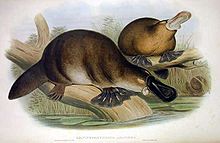
Not to malign the poor Platypus, but it does look like no one really thought about how it would look with all those different parts stuck together like that – and it lays eggs, which for a mammal is kind of weird.
About ten years ago I posted this discussion at www.tek-tips.com asking if anyone else had to deal the same issues in their databases that I was finding – no normalization, shortcuts to avoid having to do things the right way, dates, validation (mostly the lack of), and other situations. (The thread quickly deteriorated into a treatise on Chimera Database – which almost became the name of this blog but I couldn’t get it to work as well.)
So why am I writing this blog?
I developed many applications against the Platypus Database over the past ten years and learned many things that are useful in certain situations when dealing with bad data and bad design. You need to learn monster SQL skills and really understand the power of OUTER JOINS to overcome some of the issues you will find. I would like to share those tips with other developers to help them learn how to use the power of the query to only get the data you really need into your application and minimize database calls.
As a way to continually improve and learn myself, I am working towards my MS SQL Server 2012 certification. I want to blog about things I find as I learn about MS SQL Server and the studying and testing that I find exciting and want to share.
At this same time, my friend Jenny is trying to find a way to get into the IT world and I have been looking and looking for some web pages that can explain some basics about databases. Every page that I found was either someone asking for help to design their database or did not mention normalization at all or if it did mention it, didn’t apply it correctly. If you are going to work with databases in any way, you should understand the basic concepts and how to create a real database that follows the rules.
So, I am finally spurred into action to write about these topics so my friend can benefit and learn things the right way and we can all move towards certification as Platypus Hunters.
Thanks for dropping by, I hope to see you again soon!
Leslie Andrews, Platypus Hunter Extraordinaire
 The Platypus Database